KARACHI: Over the past year or two, Karachi’s coffee culture has grown into something impossible to ignore, and even harder to escape. On a typical evening, hundreds of young professionals, students and social-media influencers line up outside glass-fronted cafes in DHA and Clifton, turning a simple coffee run into an hours-long ritual of work, status and content creation, driven by the city's shortage of public spaces and a growing appetite for curated, camera-ready hangouts.
What began as a handful of coffee shops has grown into a citywide phenomenon. Cafes in neighborhoods such as DHA Phase 6 and Phase 8 now cluster within blocks of each other, competing not just on drinks but on design.
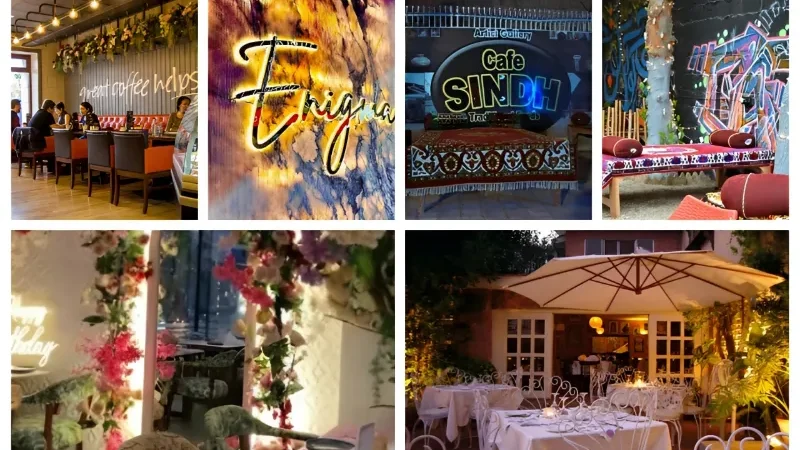
Karachi’s cafe culture has transformed from simple coffee stops into saturated social hubs, aesthetic stages, and digital display arenas. Owners invest heavily in soft lighting, custom crockery and precise foam art, turning coffee into a backdrop for a bigger experience. Some drinks are built to be photographed before they are tasted.
The trend reflects a deeper gap in the city. With few public parks or libraries and limited walkable spaces, cafes have become semi-private hangouts people pay to enter. They serve as co-working spots by day, casual meeting points by evening and social venues by night, especially during festive stretches like Eid, when late-night crowds peak.
A 2026 study found that among 390 Karachi cafe customers, a venue's perceived luxury was the strongest factor in whether people returned, ahead of taste or service alone. Researchers said the finding shows loyalty in Karachi's cafe market depends less on the coffee itself and more on the image a cafe projects.
That image comes at a cost. A 1,000-rupee coffee sets an unspoken bar for who gets to belong, even as cafes market themselves as open to everyone. Some venues have added outdoor seating and revived board games like ludo to soften that exclusivity.
The current wave stands in sharp contrast to Karachi's original cafe culture. Decades ago, Irani cafes run by Zoroastrian and Muslim migrants from Iran welcomed journalists, students and intellectuals to the same tables, regardless of income. Fewer than ten of those cafes remain today.
Now, strips like Khayaban-e-Bukhari have replaced that legacy with valet stands, influencer photo shoots and trend-driven crowds, a new kind of gathering place built less on ideas and more on image.