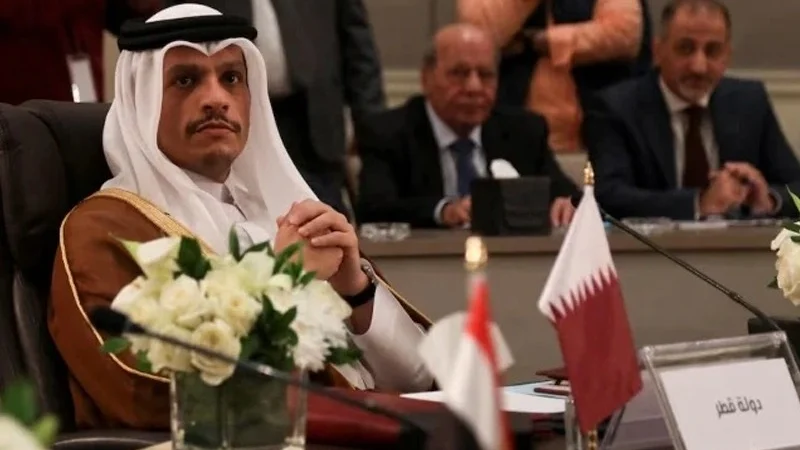
The guns may have gone quiet, but diplomacy remains fragile. Qatar’s prime minister will travel to Tehran on Thursday to revive diplomatic efforts between Iran and the United States as tensions over the Strait of Hormuz, sanctions and regional security continue to threaten a lasting ceasefire.
Qatari Prime Minister Sheikh Mohammed bin Abdulrahman Al Thani will meet Iranian officials to discuss Doha’s mediation efforts and other regional developments. Qatar, a U.S. ally and Gulf neighbor of Iran, has served as a back-channel mediator and helped secure a June ceasefire that temporarily halted hostilities.
The visit comes as the conflict approaches its sixth month without a diplomatic breakthrough. Fighting has largely paused, but Washington and Tehran remain divided over sanctions, maritime access and the future of the Strait of Hormuz.
The United States has increasingly turned to economic pressure, including plans to impose sanctions on Iran’s trading partners. President Donald Trump said Wednesday that he was not in a hurry to resume negotiations with Tehran and that he had no fixed timeline for talks.
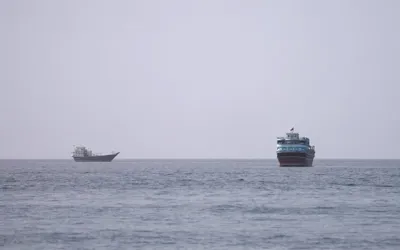
At the center of the dispute is the Strait of Hormuz, a vital shipping route that carried about 20 million barrels of oil a day before the war began Feb. 28. Oil flows through the waterway have since fallen sharply, with recent shipping data showing about 5 million barrels per day moving through the strait.
Read More: Missing Iranian pilots deepen Iran-Qatar tensions
Qatar’s Foreign Ministry said Sheikh Mohammed will discuss freedom of navigation through Hormuz and the need to restore conditions that existed before the war. Doha also wants to help “de-escalate tensions and create the conditions conducive to dialogue.”
Iran and Oman have separately held talks over arrangements for maritime traffic through the strait and the sharing of related revenues. Iranian officials have given conflicting accounts of the progress.
An Islamic Revolutionary Guard Corps spokesperson said Iran and Oman had reached acceptable results on managing the waterway and its revenues. A senior Iranian official later said no final agreement had been reached and that discussions were continuing.
The dispute over Hormuz has become a major obstacle to broader diplomacy. Iran has sought greater control over the waterway, while the United States has pressed for unrestricted commercial navigation. Any arrangement affecting access to the strait could therefore have significant consequences for global energy markets and regional security.
Iran has also warned that the strait would remain closed unless Washington meets conditions linked to the June ceasefire agreement, including an end to the U.S. blockade of Iranian ports, compensation and the removal of sanctions.
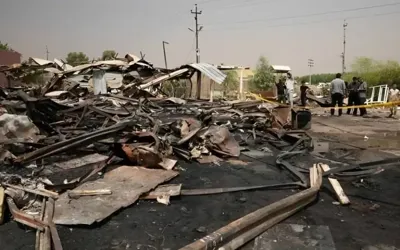
Despite heavy bombardment during the conflict, Iran retains missile and drone capabilities that could threaten Gulf countries hosting U.S. military bases and disrupt commercial shipping.
The International Maritime Organization has reported dozens of incidents in the Strait of Hormuz since the war began, with 19 seafarers killed.
Qatar’s diplomatic push comes as both sides face growing pressure to prevent the fragile pause in fighting from collapsing.
A breakthrough on Hormuz could help restore energy shipments and create space for wider negotiations, but major disagreements between Washington and Tehran remain unresolved.