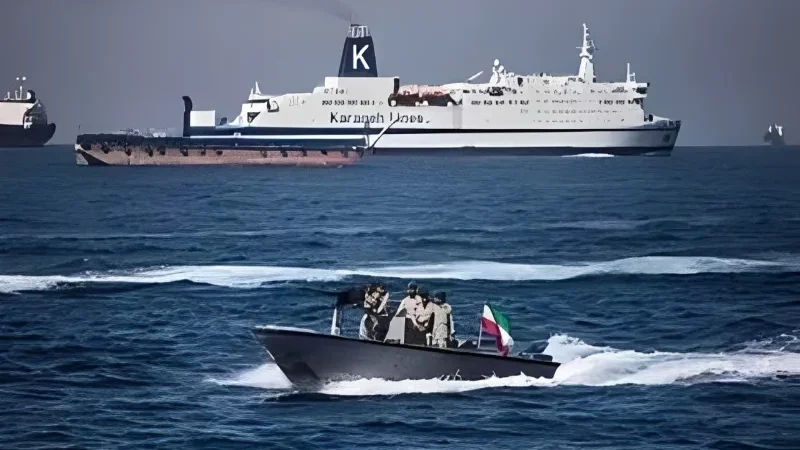
Iran’s Persian Gulf Strait Authority (PGSA) has warned vessels using the Strait of Hormuz that they could face fines, detention or confiscation if they violate Iranian rules, as fewer than 20 commodity vessels crossed the key waterway over the weekend amid restrictions on shipping traffic.
In a statement posted on its official X account, the PGSA advised cargo owners shipping to and from the Persian Gulf to check its non-compliant vessels (NCV) list before chartering ships. The authority said the list is available on its website.
The PGSA also warned that vessels working with ships already on the NCV list could be added to the list immediately. This includes vessels involved in ship-to-ship (STS) transfers or transshipment operations. Vessels seeking removal from the list must submit a formal application with reasons to the authority.
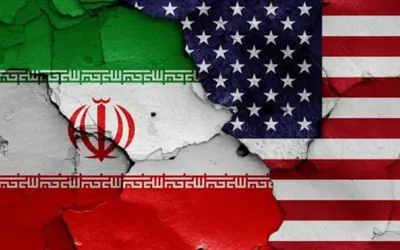
The warning comes amid increased tensions around the Strait of Hormuz, a major route for global energy shipments. Iran has closed the waterway in response to what it describes as US-Israeli aggression against the country.
Shipping data showed that only four vessels crossed the strait on Sunday, while 13 crossed on Saturday. The figures could change because some vessels turned off their tracking devices while passing through the waterway.
The number of crossings was 16 on Friday. Two empty very large crude carriers entered the Gulf with their tracking devices turned off, with one heading toward Iraq and the other toward Bahrain, according to the data.
Meanwhile, U.S. Central Command said U.S. forces had redirected 70 commercial vessels, disabled three and boarded two as of Aug. 23 to “ensure compliance” with the U.S. blockade against Iran.
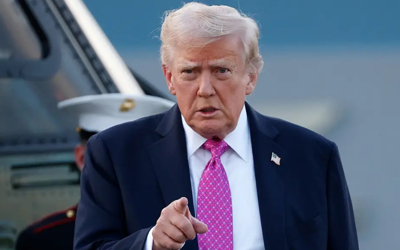
Iranian Parliament Speaker Mohammad Bagher Ghalibaf also warned President Donald Trump that efforts to isolate Iran’s economy could hurt American taxpayers and businesses.
In a post on X, Ghalibaf criticized Trump’s planned economic measures and said pressure on Iran and disruptions in energy markets could also affect the United States.
Ghalibaf mocked Trump’s economic plans by referring to frozen meat, bonds, housing and wages. He warned that a “frozen” foreign policy could lead to a stagnant economy and said Iran’s response could eventually return to affect the United States.
His remarks followed Trump’s announcement of what he called the “most crushing” economic operation against Iran and his call for allies to join efforts to isolate the Iranian economy.