



01st Jan, 2023. 09:25 am
Where to begin?
The Candid Corner
This pock-marked light, this night-stricken dawn
This is not the dawn we had waited for
This is not the dawn we had craved for
Hoping that in the sky’s limitless expanse
Advertisement
We would reach the final destination of the stars
Surely, the slow, placid night
Will touch its inexorable shore
Surely the moorings of the heart’s agony
Will come to rest somewhere
— Faiz Ahmad Faiz
Advertisement
Ever since my editor at Bol News called to say that the next edition of the paper will focus on the prospects of Pakistan during 2023, and that I should also try to write on the theme, I have been thinking of all the positives that I could gather to make part of my projections. Under the existing circumstances, this has been the most daunting challenge I could have undertaken. It is in such circumstances that Faiz comes to mind who, early on after the creation of Pakistan, had projected a rather sombre outlook for the new-born country.
I asked myself where should I begin? Should I begin with the promise of our creation which was so aptly encapsulated by the Quaid in his speech from the floor of the first constituent assembly on August 11, wherein he had freed the countrymen from all constraints of “colour, caste and creed” to be “first, second and last citizens of the state with equal rights, privileges and obligations”? Should I begin with his proclamation that the people were free to go to their temples, their mosques, or any other place of worship and that their faith was not a matter for the state to delve into? Should I begin by stating that he was deeply beholden to this one fundamental principle that we were all citizens, and equal citizens of one state?
Should I begin by narrating how the Quaid was left to die by the roadside in a broken-down ambulance? Should I begin by stating what he thought of the Objectives Resolution – in a draft form at the time – and how it mauled his dream of equality among all citizens? Should I begin by talking about the ascent of the Mullah culture and the bargaining for carving constituencies to broaden this bonhomie? Should I begin by talking about the musical chairs played during the first 11 years of the nation’s life and the consequent involvement and rise of the military’s hold on the levers of power? Should I begin by talking about the imposition of the first martial law and the devastating impact it had on the unity of the country, leading to its ultimate break-up in 1971? Should I begin by talking about the subsequent martial laws and the divisions they created, virtually tearing off the entire societal fabric?
Should I talk about the sordid drama that surrounded the drafting of the constitution and how its 1956 version was not allowed to be implemented? Should I talk about the fact that the first constitution was finally adopted in 1973 after the country had split into two with the larger half having ceded to become Bangladesh? Should I narrate the circumstances leading to the denial of democratic right to the country’s majority population, which hailed from the former East Pakistan, to form a government with Mujibur Rehman taking over as the prime minister of an undivided country, and how Bhutto, in collusion with the military dictator who was then in power, manoeuvred to thwart the prospect to keep Pakistan united?
Should I talk about the civilian leadership nurtured under the tutelage of the military – the Bhuttos, Sharifs, Fazl and Altaf clans in particular, the story of their rise to power and the advent of a culture of crime and corruption in the country? Should I begin by describing the spree of loot and plunder unleashed with these criminals at the helm? Should I begin by narrating the vile and wicked story of the ruling elite filling its coffers at the cost of the state and its core interests? Should I begin by describing the virtual takeover of the state by inveterate mafias dripping in the blood of the weak and the impoverished communities which barely survive with a measly meal a day? Should I begin by talking about how the culture of deceit and deception was passionately nurtured and how the distinction between right and wrong was erased?
Should I begin by delineating the enactment of a contract among the ruling elite of the country that corruption is not a crime, and it is not worthwhile to invest state resources in unmasking it, and that all laws in this context should be altered or abolished altogether to bury the demon? Should I then begin by narrating the infliction of the ultimate humiliation upon the state by plunging it into the lap of a conglomerate of convicts, criminals and absconders with the entire institutional network wagging their tails as expression of their collusion? Should I talk about the powers of the judge, jury and the executioner vested in the hands of this band of crooks to do as may suit their whims?
Advertisement
So, where should I begin? Faiz’s lamentation about the dismal state of the country was not completely shorn of hope, but he was also aware of the cost that must be paid for nurturing it to health which is contained in another of his priceless gems, “shackled we shall walk in the bazaar today”.
With our hands spread out, we go
Intoxicated and entranced in the rhythm of dancing, we go
Head covered in dust and apparel washed in blood
The city of my beloved beckons, we go
Let lacerating hearts embark on the journey
Advertisement
Let’s go, my friends, let’s proceed to the scaffold
Excuse my despondency, but I can’t deceive myself. Extricating this country out of the stranglehold of criminals and their aiders and abettors is the first step towards salvation. This is a battle that will have to be fought and won. This will happen once we are convinced that we are in it together and it is through a collective and concerted effort that we shall sail across to the coveted destination.
It is only when my hope in the future of Pakistan is rekindled through the preparedness for rendering the ultimate sacrifice by its people that I shall begin scripting the story of my country. That shall be the day and I wait for its dawn with bated breath.
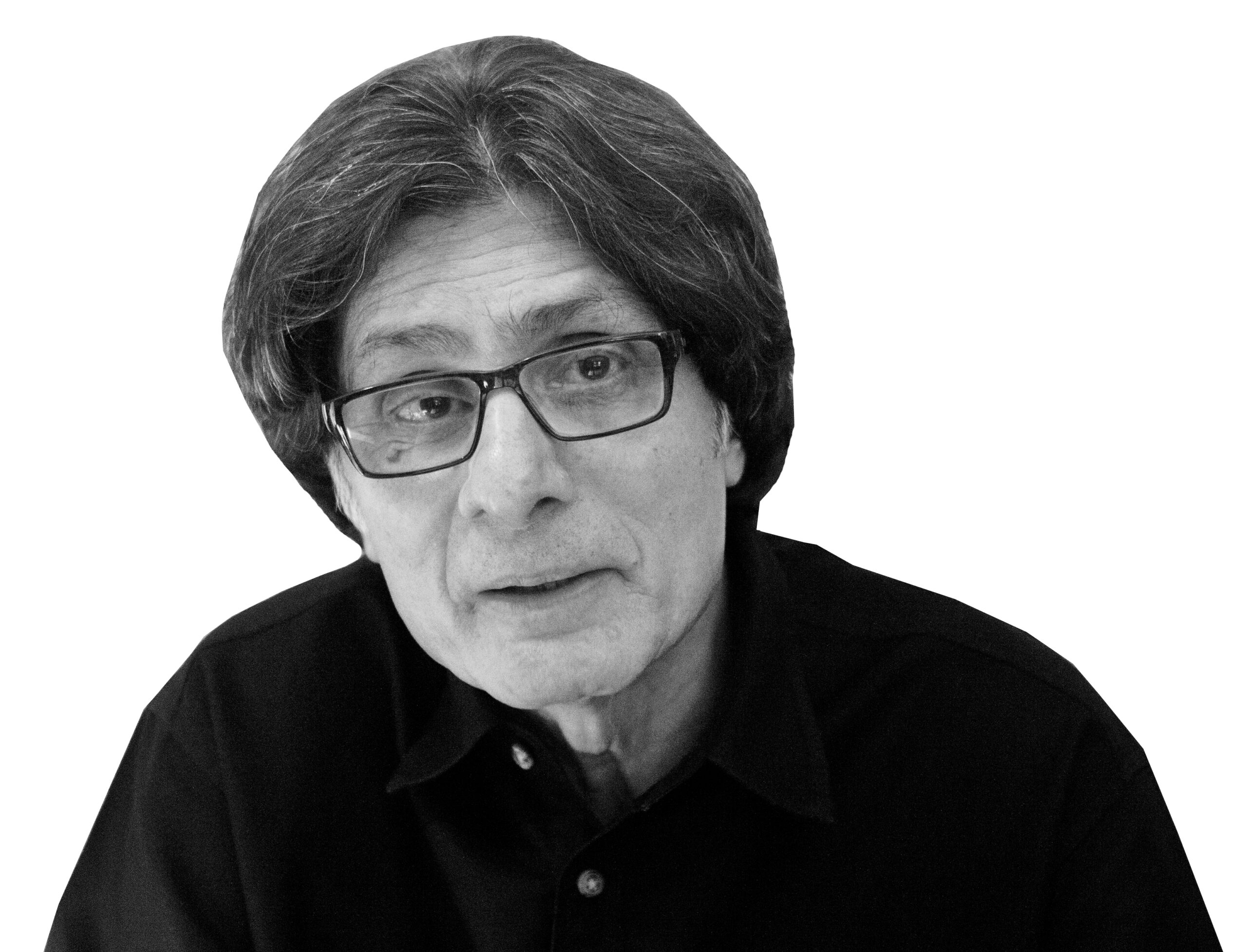
The writer is a political and security strategist and founder of Regional Peace Institute. He is a former SAPM and currently a senior fellow at the King’s College London
Advertisement
Advertisement
CONTRIBUTORS
-

Abdullah Khan
-

Afia Salam
-

Altaf Hussain Wani
-

Amb. (R) Asif Durrani
The author is a former Ambassador of Pakistan in Iran and UAE
-

Ambrin Hayat
-

Amir Zia
-

Andleeb Abbas
The writer is a columnist, consultant, coach, and an analyst
-

Anwar Mansoor Khan
-

Areeja Syed
The writer is an analyst and researcher on national and international issues
-

Arslan Sheikh
Advertisement